

- 1. What are cosmetic bottle finishing options?
- 1.1 Why does surface finishing matter for cosmetic bottles?
- 2. Cosmetic bottle finishing options table
- 3. Natural aluminum silver
- 3.1 When to choose natural aluminum silver?
- 3.2 What to confirm with aluminum silver
- 4. Coating, matte coating and gloss coating
- 4.1 Coating
- 4.2 Matte coating
- 4.3 Gloss coating
- 4.4 Why is surface sample approval necessary?
- 5. Color coating and brand color
- 5.1 Brand color on aluminum bottles
- 5.2 Color across production lots
- 6. Offset printing 1–8 colors
- 6.1 The role of offset printing on cosmetic bottles
- 6.2 Information to prepare before offset printing
- 6.3 Checking the print area on a curved surface
- 7. Silk-screen printing and accent effects
- 7.1 When to use silk-screen printing?
- 7.2 Does silk-screen replace offset printing?
- 8. Fine print, barcodes and mandatory information
- 8.1 Fine print on cosmetic bottles
- 8.2 Barcodes and QR codes
- 8.3 Mandatory information by market
- 9. Hand feel and user experience
- 9.1 Surface affects hand feel
- 9.2 Fingerprints, scratches and surface cleanliness
- 10. Surface-protective packaging
- 10.1 Why does packaging matter for a finished bottle?
- 10.2 Surface protection during shipping
- 11. Finishing approval samples
- 11.1 What does an approval sample include?
- 11.2 Points to review on the sample
- 11.3 When should a sample be re-approved?
- 12. Appearance standards to agree on
- 12.1 Appearance defects that usually need checking
- 12.2 Acceptable vs unacceptable defects
- 13. Information buyers should send when requesting cosmetic bottle finishing
- 13.1 Design file and identity
- 13.2 Reference samples
- 13.3 Production and packaging requirements
- 14. Notes when choosing cosmetic bottle finishing
- 15. Frequently asked questions about cosmetic bottle finishing
- 15.1 What do cosmetic bottle finishing options include?
- 15.2 Does VAB support brand-color printing on bottles?
- 15.3 How are matte coating and gloss coating different?
- 15.4 Is a finishing sample approval needed before production?
- 15.5 Will the color on the design file match the color on the actual bottle?
- 16. Conclusion
Cosmetic Bottle Finishing Options for B2B/OEM Projects
Cosmetic bottle finishing options are the set of choices related to surface, color, printing, exterior coating, hand feel, brand identity, appearance standards and how the bottle is protected during packing and shipping.
For cosmetics, personal care, hair care, skin care, essential oils, serums, gels, creams and home care products, surface finishing is not just about whether the bottle “looks nice.” It affects brand perception, premium feel, information readability, display quality, user experience and sample-approval rates.
In short: bottle finishing is where the brand team wants it beautiful, procurement wants the right price, QA wants it controllable, production wants a smooth run, and sales wants customers to fall in love at first sight. A crowded party naturally needs some ground rules — otherwise a color that is “just slightly off” turns into 14 emails and 3 meetings.
What are cosmetic bottle finishing options?
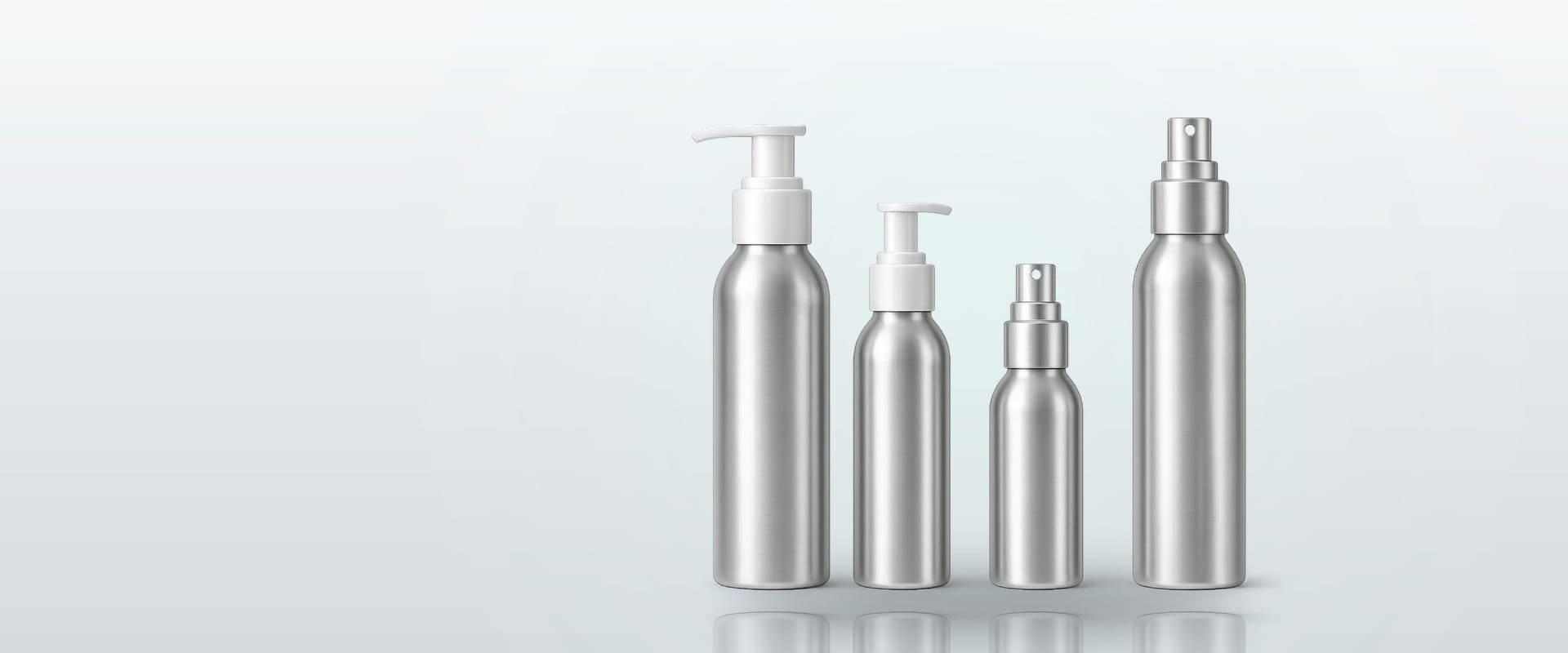
Cosmetic bottle finishing options are the choices that define the final appearance of the aluminum bottle after manufacturing, surface treatment and printing. They may include natural aluminum silver, coating, matte coating, gloss coating, color coating, brand color, offset printing, silk-screen printing, print areas, surface effects, approval samples and surface-protective packaging specifications.
For cosmetic aluminum bottles, surface finishing usually matters far more than for typical industrial packaging. Cosmetic and personal-care buyers often judge a product by eye before reading the details. That is not entirely fair, but this industry never promised to be fair.
Why does surface finishing matter for cosmetic bottles?
Surface finishing matters because it directly affects brand perception and product quality. A bottle with a clean surface, correct color, sharp printing, no scratches and a good hand feel supports a more professional brand image.
Finishing factors typically affect:
- The product’s premium feel.
- Brand recognition.
- Consistency across product lines.
- Readability of the logo, product name, fine print, barcode and icons.
- Display quality on shelves or in sales imagery.
- Internal sample-approval standards.
- The rate of appearance defects during packing and shipping.
- Fit with the target market.
For cosmetics, attractive finishing is an advantage. But attractive finishing without control over color, print defects, surface or packaging quickly turns that advantage into a problem with an order number attached.
Cosmetic bottle finishing options table
| Finishing option | To confirm | Main impact |
|---|---|---|
| Natural aluminum silver | Gloss level, surface treatment, appearance standard | Clean, minimal, modern feel |
| Coating | Paint color, coverage, color sample, approval standard | Brand identity, product perception |
| Matte coating | Matte level, hand feel, scratch resistance within project scope | More premium, softer, more refined feel |
| Gloss coating | Gloss level, reflectivity, sample surface | Standout, eye-catching, easily recognizable feel |
| Color coating | Color code, reference sample, production conditions | Brand-color consistency, product-line differentiation |
| Offset printing 1–8 colors | Design file, number of colors, print area, color code, approval sample | Logo, background color, product info, brand identity |
| Silk-screen printing | Accent area, logo, surface effect, appearance requirements | Brand accent, special details |
| Fine print and barcode | Font size, sharpness, scannability | Readability, information control, market requirements |
| Approval sample | Color, print, surface and fully-accessorized finished samples | Reduces risk before mass production |
| Surface-protective packaging | Carton, dividers, protective bags, bottle arrangement | Limits scratches, dents and appearance defects in shipping |
| Appearance standard | Acceptable defects, unacceptable defects, color tolerance if any | Quality control and lot approval |
This table helps buyers, brand teams, procurement, QA/QC and product teams align on the items to confirm before sample approval and production. If you just send a design file and say “make it like this,” the project has started on trust. Trust is great for relationships. Production needs specifications.
Natural aluminum silver
When to choose natural aluminum silver?
Natural aluminum silver can suit brands that want a minimal, clean, modern, technical or material-forward feel. For some personal-care, essential-oil, serum or premium home-care products, aluminum silver can create a distinct feel compared with ordinary plastic packaging.
It can also help a brand emphasize the solid, light and modern character of aluminum packaging.
What to confirm with aluminum silver
Buyers should confirm the level of surface finishing, gloss or matte level if any, appearance standard, print area and how text colors combine on a silver background.
Do not assume that “aluminum silver” is a single color under every lighting and production condition. Material, surface treatment, photography lighting and viewing angle can make the perceived color differ. An aluminum bottle is under no obligation to look exactly like the render — sorry to the mockup team.
Coating, matte coating and gloss coating
Coating
Coating helps a cosmetic aluminum bottle achieve a background color according to brand requirements or by product line. It is a good option when a brand needs color control, a proprietary color system or SKU differentiation.
Buyers should provide the color code, reference sample, coverage requirement, gloss/matte requirement, color-approval standard and inspection conditions if any.
Matte coating
Matte coating can create a more refined, softer and more premium feel for some cosmetic, skin-care, hair-care or essential-oil lines. A matte surface is often used when a brand wants a light, clean, modern or minimal feel.
However, a matte surface should be reviewed carefully for hand feel, fingerprint visibility, scratch resistance during packing and appearance standards.
Gloss coating
Gloss coating can create a more standout, bright and eye-catching feel. This option can suit product lines that want strong visual impact, more vivid colors or a clearer commercial feel.
Buyers should check gloss level, reflectivity, surface uniformity and how the gloss affects the printed or background color.
Why is surface sample approval necessary?
Coating, matte and gloss can change the product perception a lot compared with the mockup. A color that looks great on screen can look different on aluminum, different under studio lighting, different under store lighting and different in e-commerce imagery.
Sample approval is not a formality for fun. It is how you prevent the line “I thought the color would match the file more” from appearing once production is already running. That line sounds harmless, but it usually comes with a cost.
Color coating and brand color
Brand color on aluminum bottles
Brand color should be controlled with a color code, reference sample and an actual sample on the aluminum bottle. For cosmetic packaging, color can be a key identity asset, especially when a brand has many product lines or many scents, functions and SKUs.
Buyers should clearly define:
- The brand color code.
- The main background color.
- Secondary colors.
- The logo color.
- The text color.
- The color of the cap or accompanying accessories.
- The acceptable color tolerance, if any.
- The lighting conditions for sample approval.
Color across production lots
For projects with repeat orders, buyers should confirm color-consistency requirements across lots. Color can be affected by base material, coating, ink, production conditions and inspection standards.
If color is critically important, buyers should clearly discuss the approval standard from the start. “Same as last time” is not a technical standard, even though it sounds very friendly.
Offset printing 1–8 colors
The role of offset printing on cosmetic bottles
Offset printing 1–8 colors lets a brand print the logo, background color, product name, usage information, icons, patterns and identity details directly onto the aluminum bottle surface. It is a good option for products that need a finished, consistent and professional appearance.
Direct printing can help reduce the need for separate labels in some projects, depending on design and production requirements.
Information to prepare before offset printing
Buyers should prepare:
- The design file in the correct format.
- Color codes.
- The number of print colors.
- The print area.
- Any no-print area.
- The logo and identity imagery.
- Fine print, icons and warnings if any.
- Barcode or QR code if any.
- The sample-approval standard.
- Appearance-inspection requirements.
A file that looks great on screen is not necessarily production-ready. A small truth, but one with a strong ability to break timelines.
Checking the print area on a curved surface
Aluminum bottles have a curved surface, so the print area must be checked carefully. The logo, fine print, barcode, QR code and other important details must be placed within a suitable area to ensure readability and appearance quality.
Buyers should approve an actual print sample before mass production, especially for designs with many colors, fine print, large print areas or strict identity requirements.
Silk-screen printing and accent effects
When to use silk-screen printing?
Silk-screen printing can be considered for the logo, accent areas, brand details, icons or surface effects on a per-project basis. For some cosmetic designs, silk-screen can create a clearer accent or support a more premium feel.
The silk-screen option should be confirmed against the design, bottle surface, quantity, appearance standard and approval sample.
Does silk-screen replace offset printing?
Do not assume silk-screen fully replaces offset printing. The two methods have different application ranges and should be selected based on design, number of colors, print area, desired effect, output volume and production capability.
Choosing correctly is not about “which looks nicer” but “which fits the design, production and approval standard.” That sounds less romantic, but it helps the project live longer.
Fine print, barcodes and mandatory information
Fine print on cosmetic bottles
Cosmetic bottles may need to print the product name, volume, usage instructions, key ingredients if any, warnings if any, icons, lot code, expiry date or market information. With a curved surface and limited print area, fine print must be checked carefully.
Buyers should confirm the minimum font size, contrast, print area and readability before approving the file.
Barcodes and QR codes
Barcodes and QR codes must be tested for scannability on an actual print sample. Curved surface, background color, gloss, contrast and code size can all affect readability.
If a barcode does not scan, it is no longer a design issue. It is the kind of issue everyone discovers when it is already too late — a category of discovery best not maintained.
Mandatory information by market
Some products may have mandatory content requirements in the target market. Buyers should clearly define responsibility for providing, checking and approving content before printing.
VAB can support printing according to the file and project requirements, but legal content, label content and market requirements must be confirmed by the buyer within their scope of responsibility.
Hand feel and user experience
Surface affects hand feel
Matte, gloss, color coating or aluminum-silver surfaces can create different hand feels. For cosmetics and personal care, hand feel can influence perceived quality and the usage experience.
Buyers should evaluate the surface on an actual sample, especially for frequently-handled products such as body oil, hair serum, toner, mist or personal-care products.
Fingerprints, scratches and surface cleanliness
Some surfaces show fingerprints, scuff marks or dust more easily than others. This affects not only the product in use, but also photography, display and delivery.
For products with high appearance requirements, buyers should confirm the surface-inspection standard and the protective packaging plan.
Surface-protective packaging
Why does packaging matter for a finished bottle?
After a bottle is coated, color-coated, printed or surface-treated, packaging becomes an important part of quality control. A bottle that is beautiful at the factory but scratched by the time it reaches the customer’s warehouse is still an experience defect.
Buyers should confirm the packaging specification, quantity per carton, dividers if any, protective bags, carton labels, bottle arrangement and shipping requirements.
Surface protection during shipping
Matte, gloss, color-coated or directly-printed surfaces must be suitably protected to limit scratches, dents, accessory misalignment or appearance defects. If a bottle has a dark color or a glossy surface, small defects can be more visible.
Buyers should confirm the appearance-acceptance standard before mass production, rather than waiting until delivery to invent a new standard together. That approach is very creative, but not recommended.
Finishing approval samples
What does an approval sample include?
A finishing approval sample may include a color sample, surface sample, offset print sample, silk-screen sample, a fully-accessorized finished sample (cap/accessories) and a packaging sample if needed.
Buyers should approve based on the complete product, not just the bottle body. A bottle that looks great without its cap may not look great once fully assembled. Mockups are sometimes overconfident, like an intern who has just learned PowerPoint.
Points to review on the sample
Buyers should check:
- Background color.
- Gloss or matte level.
- Hand feel.
- Logo.
- Print area.
- Sharpness.
- Fine print.
- Barcode or QR code.
- Scratches, dents, color smudging, color shift.
- Consistency across samples.
- The fit between bottle, cap, pump or sprayer.
- Surface-protective packaging if any.
When should a sample be re-approved?
Buyers should re-approve the sample if there are changes to the design file, color code, number of print colors, surface, coating type, cap, pump, sprayer, packaging specification or target market.
A small change in the design file can affect printing, color and appearance. Production is very good at amplifying changes that seem small — unfortunately, not in a fun direction.
Appearance standards to agree on
Appearance defects that usually need checking
Appearance defects that may need checking include:
- Scratches.
- Dents.
- Color smudging.
- Color shift.
- Print defects.
- Faded text.
- Hard-to-read barcodes.
- Dust or stains on the surface.
- Wrong print area.
- Inconsistency between bottles.
- Mismatch between bottle and accessories.
Acceptable vs unacceptable defects
Buyers should define the range of acceptable and unacceptable defects if the project has high appearance requirements. This makes inspection and delivery clearer.
Without agreeing in advance, every small defect can turn into a big argument. And the packaging industry really does not need a new debating sport.
Information buyers should send when requesting cosmetic bottle finishing
Design file and identity
Buyers should send the design file in the correct format, the logo, color codes, print area, number of colors, fonts if needed, information placement, barcode, QR code and any brand-identity requirements.
Reference samples
Buyers should send color samples, surface samples, reference photos or sample products if available. Reference samples help VAB clearly understand appearance expectations and the desired finishing scope.
Production and packaging requirements
Buyers should provide the expected quantity, sample timeline, production timeline, packaging requirements, appearance-inspection requirements, sample-approval standard, target market and any documentation requirements.
Notes when choosing cosmetic bottle finishing
Cosmetic bottle finishing options should be evaluated together with the brand design, the product inside, the cap, pump, sprayer, packaging, shipping and appearance standards.
The information in this article is reference data for the initial evaluation. Final finishing must be confirmed through an actual sample, print file, color code, surface, accessories, appearance standard, packaging specification and real production conditions.
Buyers should treat this content as a starting point for technical discussion and sample approval, not a production-final document. A website can reduce ambiguity, but it cannot yet replace a real sample. If it could, the packaging industry would have stopped arguing about color long ago — and clearly humanity has not evolved that far.
Frequently asked questions about cosmetic bottle finishing
What do cosmetic bottle finishing options include?
Finishing options may include natural aluminum silver, coating, matte coating, gloss coating, color coating, brand color, offset printing 1–8 colors, silk-screen printing, approval samples, surface-protective packaging and appearance standards.
Does VAB support brand-color printing on bottles?
Yes. VAB can support colors according to brand requirements, offset printing 1–8 colors, silk-screen printing and surface finishing on a per-project basis. The design file, color code, reference sample and approval sample must be confirmed before production.
How are matte coating and gloss coating different?
Matte coating usually creates a more refined, soft and premium feel, while gloss coating creates a more standout, bright and eye-catching feel. The right choice should be confirmed against brand positioning, an actual sample and appearance standards.
Is a finishing sample approval needed before production?
A finishing sample should be approved before mass production, especially when the project has requirements for brand color, surface, printing, fine print, barcode, cap, pump, sprayer or surface-protective packaging.
Will the color on the design file match the color on the actual bottle?
Do not assume an exact match. The color on the actual bottle can be affected by base material, coating, ink, lighting, printing method and production conditions, so an actual sample should be approved before production.
Conclusion
Cosmetic bottle finishing options are an important part of developing aluminum packaging for cosmetics, personal care, hair care, skin care, essential oils, serums, gels, creams and home care. Buyers should consider surface, color, coating, matte, gloss, offset printing, silk-screen printing, fine print, barcode, approval samples, surface-protective packaging and appearance standards together.
VAB supports B2B/OEM customers in evaluating cosmetic bottle finishing options on a per-project basis, from brand-identity requirements to sample approval and appearance control. The clearer the input data, the more efficient the consulting, sampling, sample-approval and production process — with fewer revision rounds and fewer “is this color on-brand?” meetings.